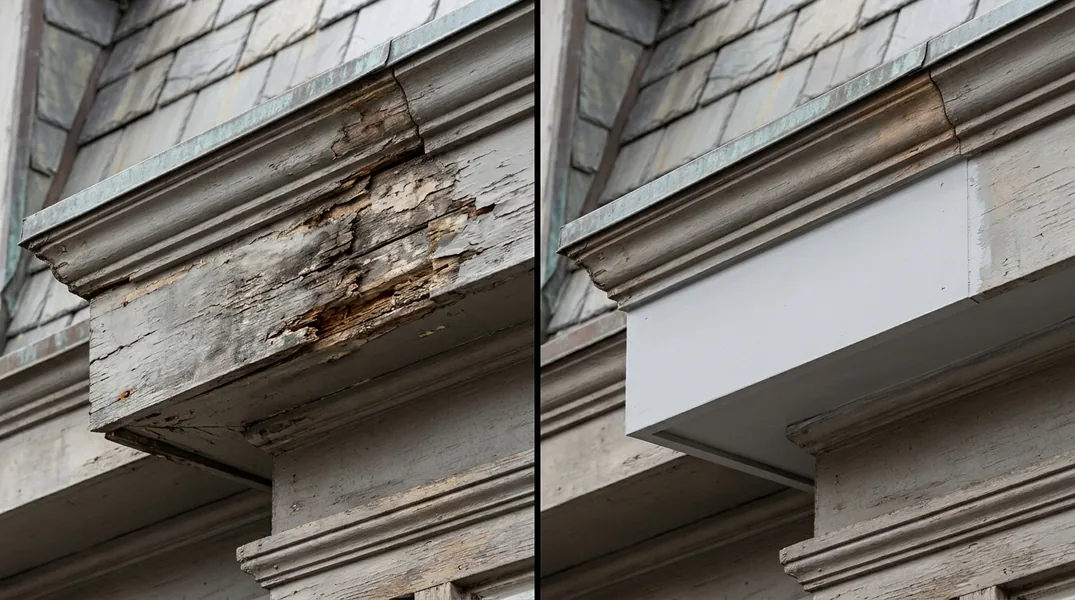
The Perfect Storm: Why Philadelphia Rowhouses Are Prone to Wood Rot
Philadelphia rowhouses are architectural treasures, but they're also uniquely vulnerable to wood rot. Built primarily between the 1850s and 1950s, most of these homes feature wood framing, wooden joists, and exterior wood trim that has weathered more than a century of Northeast weather. The combination of age, moisture exposure, and the region's humid subtropical summers creates an ideal breeding ground for both wet rot and dry rot fungi.
The city's climate is a major culprit. Philadelphia experiences significant seasonal temperature swings, freeze-thaw cycles in winter, and high humidity year-round. These conditions cause wood to expand and contract repeatedly, opening tiny cracks where water can penetrate. Once moisture gets into the wood, rot organisms aren't far behind. Rowhouses are particularly susceptible because their narrow lot footprints and shared walls limit airflow and ventilation, trapping moisture in crawl spaces, attics, and wall cavities where it can go undetected for years.
Ice Dams and Winter Weather: A Major Wood Rot Culprit
Winter weather in the Northeast creates one of the most damaging conditions for rowhouse wood: ice dams. When snow accumulates on a roof and then melts from heat loss indoors, water runs down to the unheated eaves, where it refreezes. This dam prevents proper drainage, forcing water to back up under shingles and into the roof structure. For rowhouses with older roofing systems and inadequate attic ventilation, this water infiltration leads directly to roof decking rot, rafter damage, and structural compromise. Ice dam wood rot can spread rapidly because the wood stays wet for extended periods during cold weather when homeowners are least likely to notice.
The damage from ice dams extends beyond the attic. Water that seeps into walls and down interior cavities can rot the top plates of exterior walls, compromise rim joists, and eventually reach the foundation. Many rowhouse owners don't realize they have ice dam damage until spring, when visible staining appears on ceilings or walls. By that time, the rot has already established itself deep in the wood structure. Addressing ice dam wood rot quickly is critical because the structural integrity of your home depends on sound roof framing and wall support.
Storm Damage and Water Intrusion: The Hidden Aftermath
Severe storms are common in the Philadelphia region, and the damage they cause to rowhouses often extends far beyond what's immediately visible. High winds can lift roof shingles or create small gaps in flashing, while heavy rain can drive water into walls and attics. Storm damage repair typically focuses on visible structural issues like broken siding or damaged roof sections, but the real danger often lies in the moisture left behind. Even a small water intrusion from a storm can lead to wood rot that develops silently over months or years if not properly addressed.
Rowhouses are especially vulnerable after storms because their age means they often have compromised weather barriers and older caulking that no longer seals properly. A gap in mortar between bricks, a crack in old caulk around windows, or deteriorated flashing becomes an entry point for water during heavy rain. The narrow construction of rowhouses means water can travel through wall cavities and reach structural wood framing that's difficult to inspect without opening walls. This is why it's essential to have a professional assess your rowhouse after any significant storm, not just to repair visible damage but to identify and prevent the wood rot that may develop in hidden spaces.
Understanding Dry Rot Versus Wet Rot in Rowhouse Structures
Many homeowners use the terms dry rot and wet rot interchangeably, but they're actually different problems requiring different approaches. Wet rot occurs when wood remains consistently damp from water intrusion, condensation, or poor drainage. It's the more common type in rowhouses and typically develops in basements, crawl spaces, around windows, and in roof structures. Wet rot spreads more slowly than dry rot but can still cause serious structural damage if left untreated. The good news is that wet rot can often be halted by eliminating the moisture source and allowing the wood to dry out properly.
Dry rot repair addresses a more serious condition. Dry rot fungi can spread rapidly through wood even when moisture levels seem relatively low, and the damage can be extensive before it becomes visible. In rowhouses, dry rot often develops in enclosed spaces like wall cavities or under floors where air circulation is minimal. The fungus creates a distinctive cubical cracking pattern in the wood and can reduce structural members to powder. Because dry rot can spread quickly and is harder to detect, professional assessment is crucial. If you suspect either type of rot in your rowhouse, contacting a specialist for a free estimate is the first step toward protecting your home.
Common Areas Where Wood Rot Develops in Rowhouses
Understanding where wood rot typically occurs in rowhouses helps you know where to look and when to call for professional help. The most common locations include the roof structure and attic framing, which are exposed to weather and often have inadequate ventilation. Rim joists and band boards where the first floor meets the foundation are also frequent trouble spots because they're close to the ground and subject to moisture from the soil and foundation walls. Floor joist and subfloor repair is one of the most common services needed in older rowhouses because these structural elements deteriorate when basements or crawl spaces have moisture problems.
Window frames and sills are another vulnerable area, especially in rowhouses where windows are original or decades old. Water can seep around old caulk and glazing, soaking the wood frame from the inside out. Exterior wood trim, fascia boards, and soffit areas also rot readily because they're constantly exposed to weather and often painted over without proper maintenance. In some rowhouses, the shared wall between units can develop rot problems that affect both properties, particularly if one owner hasn't maintained their exterior properly. Regular inspection of these areas, especially after storms or during spring and fall when moisture problems are most likely to develop, can catch rot early before it compromises structural integrity.
Wood Rot & Dry Rot Repair Near Me: When to Call a Professional
If you've noticed soft spots in wood, visible fungal growth, water stains, or a musty smell in your rowhouse, it's time to call a professional. DIY repairs might seem cost-effective, but wood rot often extends deeper than what's visible to the naked eye. A professional carpenter can assess the full extent of the damage, determine whether the wood can be treated or needs replacement, and ensure repairs are done correctly to prevent recurrence. In rowhouses where structural elements like beams or load-bearing walls are affected, improper repairs can create safety hazards and liability issues.
Philadelphia Carpentry specializes in identifying and repairing wood rot in rowhouses throughout the city. Our team understands the specific challenges that older rowhouses face and knows how to address both the visible damage and the underlying moisture problems that cause rot. Whether you're dealing with ice dam wood rot, storm damage repair, or suspected dry rot in your crawl space, we can provide a thorough assessment and recommend the best course of action. Call us at (267) 477-7458 or request a free estimate to discuss your rowhouse's needs. We serve the entire Philadelphia area and can typically schedule inspections within a few days.
Prevention and Maintenance: Protecting Your Rowhouse from Future Rot
The best defense against wood rot is prevention through regular maintenance and moisture control. Keep your rowhouse's roof in good condition by inspecting it annually and after storms, ensuring gutters and downspouts direct water away from the foundation. Maintain proper attic ventilation to reduce moisture buildup, and seal any gaps or cracks in exterior walls, around windows, and where utilities enter the home. In basements and crawl spaces, use vapor barriers and ensure adequate drainage to keep moisture levels low. These preventive measures won't eliminate all rot risk in an older rowhouse, but they'll significantly reduce it.
Regular inspections are equally important. Schedule a professional inspection every few years, especially if you've noticed any signs of moisture problems or if your rowhouse has experienced storm damage. Early detection of wood rot makes repairs much simpler and more affordable than waiting until structural damage becomes severe. If you're planning major renovations or have just purchased an older rowhouse, a comprehensive structural inspection should be part of your due diligence. Philadelphia Carpentry can help you understand your rowhouse's condition and develop a maintenance plan tailored to its specific vulnerabilities. Contact us at (267) 477-7458 to discuss how we can help protect your investment for years to come.
Looking for a professional carpentry contractor in Philadelphia? Philadelphia Carpentry responds fast for all your carpentry needs.
Get a Free QuoteOur services: Wood Rot & Dry Rot Repair · Termite Damage Repair · Floor Joist & Subfloor Repair