Carpenter in Philadelphia, PA: Wood Rot, Structure & Finish Work
Philadelphia Carpentry is a local residential carpentry shop serving Philadelphia and the surrounding areas, including Cherry Hill, Camden, Bensalem, and Norriton. Homeowners searching for a carpenter near me in Philadelphia turn to us for work that ranges from structural repair to finish carpentry and custom built-ins. We specialize in the wood that makes up the bones of this city: the joists and subfloors beneath hardwood floors, the sill plates and rim joists where water enters, the framing that carries loads, and the trim and doors that define the interior spaces of rowhouses, twins, and detached homes across the region.
The older residential stock here, much of it built between 1900 and 1950, settles and shifts over time. Wood fails when moisture finds it, when insects tunnel through it, or when the loads it carries exceed what remains after decay. Our work starts with an honest assessment of what is sound and what must go, and we explain the pathology and the repair plainly. Call (267) 477-7458 or request a free wood rot inspection to discuss what you are seeing.
Why Wood Fails in Philadelphia, and How We Read It
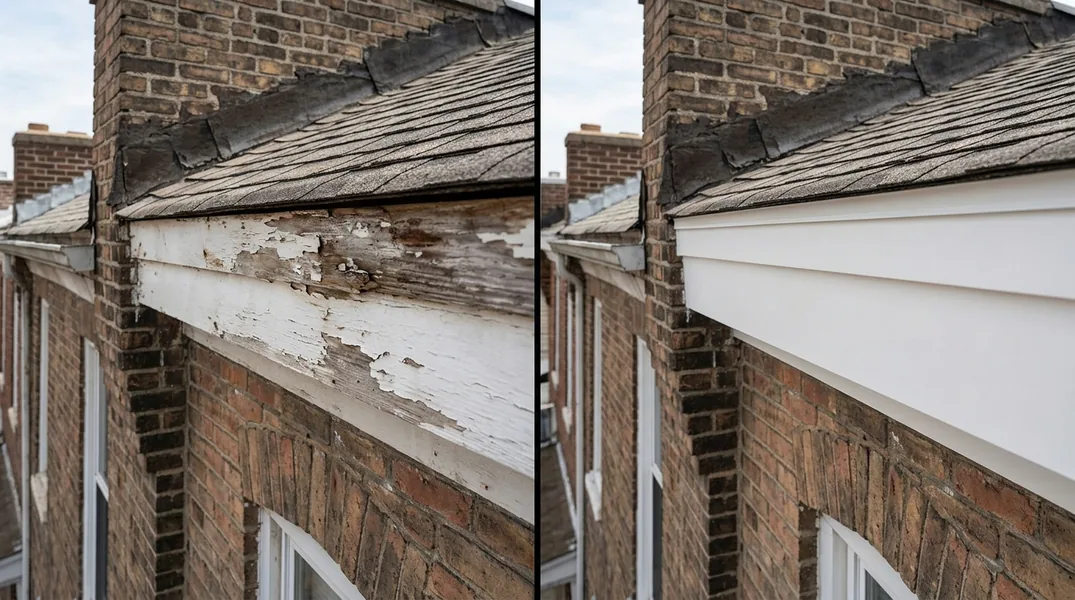
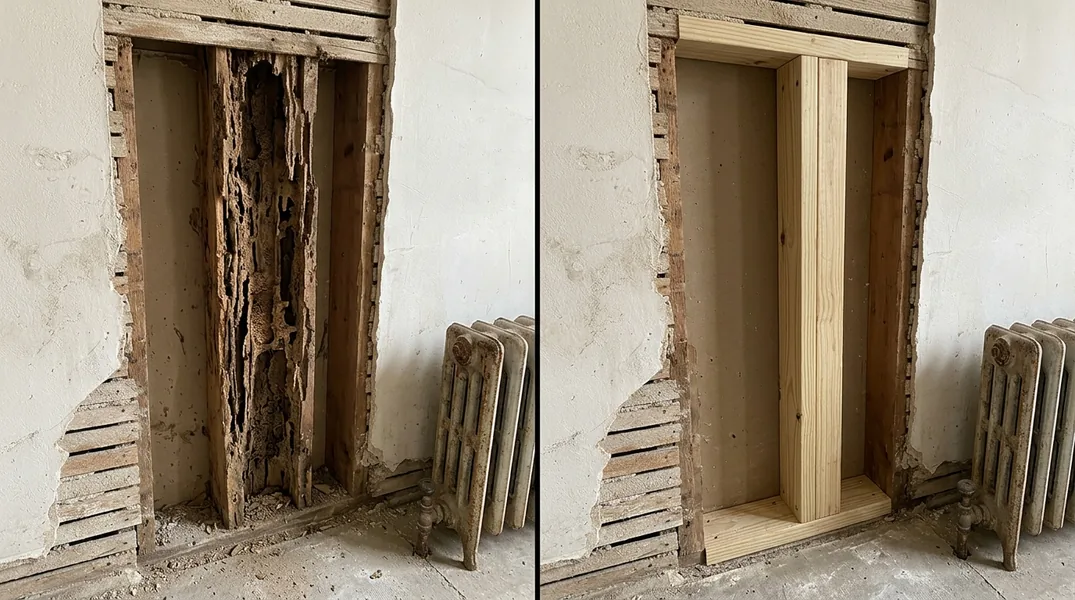
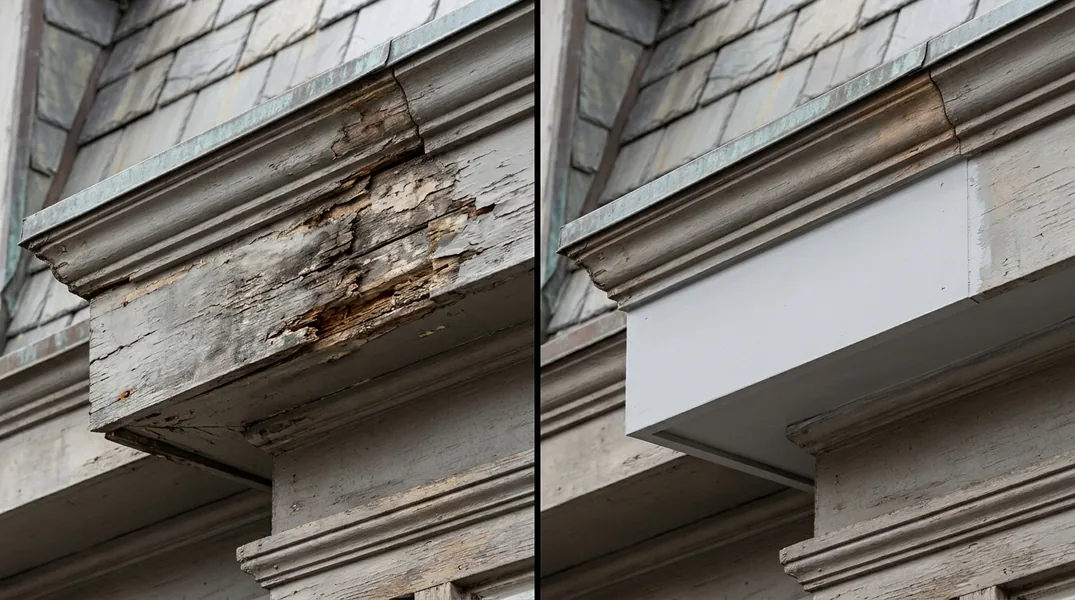
Wood rot and termite damage are the two most common wood failures we see in Philadelphia, and they happen for different reasons. Dry rot is a fungus that requires sustained moisture to grow, and it thrives in the damp Mid-Atlantic climate where wet winters, summer humidity, and the occasional nor'easter keep wood near sills, window frames, deck ledgers, and fascia boards perpetually damp. Wet rot attacks sill plates and thresholds where water collects and sits. Termites and wood beetles hollow out structural members from the inside while the paint film on the surface remains intact, so a joist or stud can look sound but be largely gone where it matters. All three pathologies hide behind the visible surface and only reveal themselves when probed or when a floor begins to feel soft underfoot.
We assess rot and insect damage by probing to find where sound wood begins, examining the framing behind the visible surface, and tracing the water path that fed the decay. A member that has lost only cosmetic surface material on sound wood can be cut back and rebuilt with epoxy or new wood. A member that has lost significant section must be replaced, and if the water source is not closed, the new wood will fail the same way. Filler over rot is not a repair. On termite and beetle damage, we work from your own pest inspection report. We repair and replace the damaged wood, but we do not treat, fumigate, or perform pest control, which is a separate regulated trade. Call (267) 477-7458 to schedule an assessment, or learn more about our wood rot and dry rot repair process.
The honest call is straightforward: if the wood is sound beneath the decay and the water source can be closed, repair it. If the member has lost too much section, or if the water cannot be stopped, replace it. We quote both options when both are real, and we explain what each will cost and how long it will last. Termite damage repair and floor joist and subfloor repair follow the same principle: assess the damage, explain what you are looking at, and propose the repair that will hold.
Structural Carpentry in Philadelphia: Joists, Beams and Settling
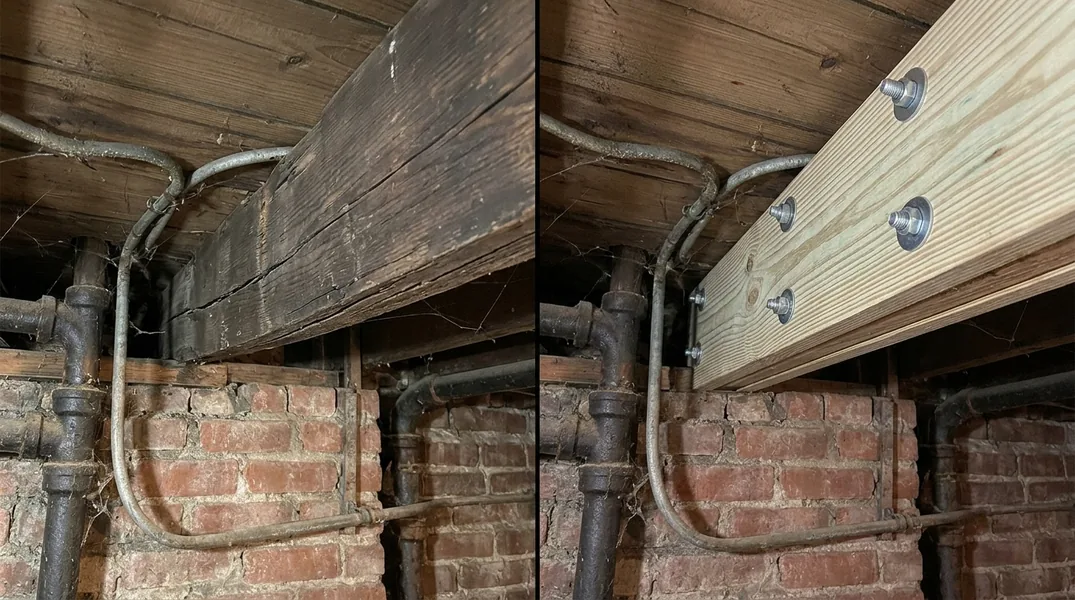
Structural carpentry in Philadelphia means working with the joists, beams, headers, and load-bearing walls that carry the weight of a century-old building. A floor that slopes or feels bouncy often means a floor joist or subfloor section has lost strength to rot or age. We assess the damage, determine whether a joist can be sistered (reinforced alongside a new member) or must be replaced, and repair or replace subfloor sections in kind. Sill plates and rim joists, where the frame sits on the foundation, are common failure points in this climate, and we replace them when necessary. Load-bearing walls that carry the roof or upper floors can be removed or altered to open up a space, but beam sizing and load-bearing alterations commonly require engineered drawings from a licensed structural engineer and a permit from the local building department. We build to those drawings rather than produce them.
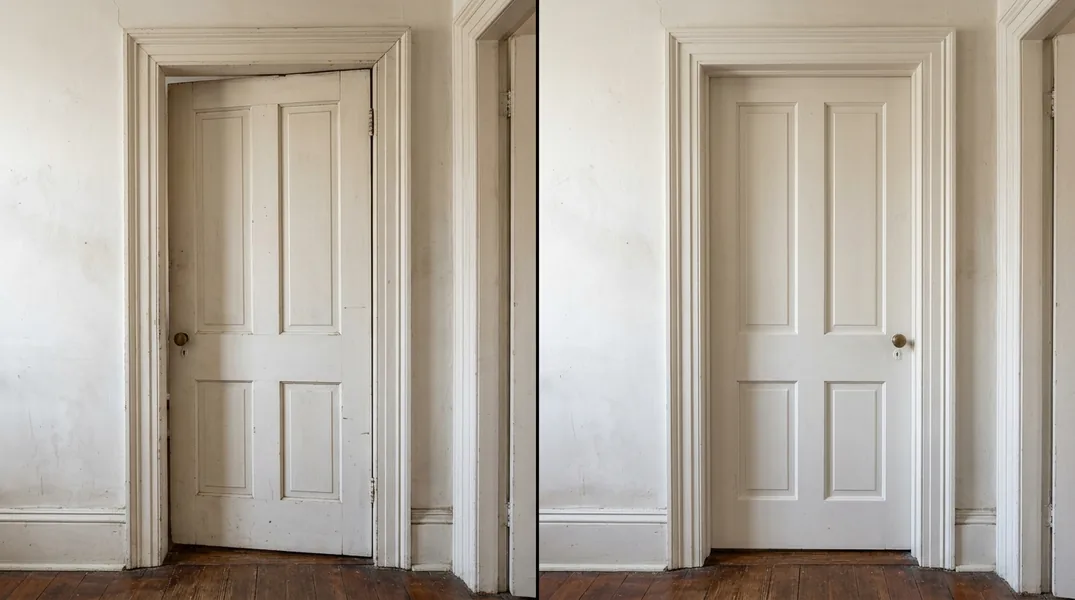
A century-old house that has settled slowly is the normal condition here. Sloping floors and sticking doors usually reflect that settled state rather than active failure. What matters is whether something is still moving and how the member is doing where it bears load. We can tell the difference between old settling and new movement, and we explain what needs attention and what is simply the age and character of the building. Beam replacement and load-bearing wall removal carry real structural weight and real cost, and they deserve a clear-eyed assessment and honest pricing. Framing and structural carpentry is the foundation of everything else we do.
Finish Carpentry and Built-Ins in Philadelphia Homes
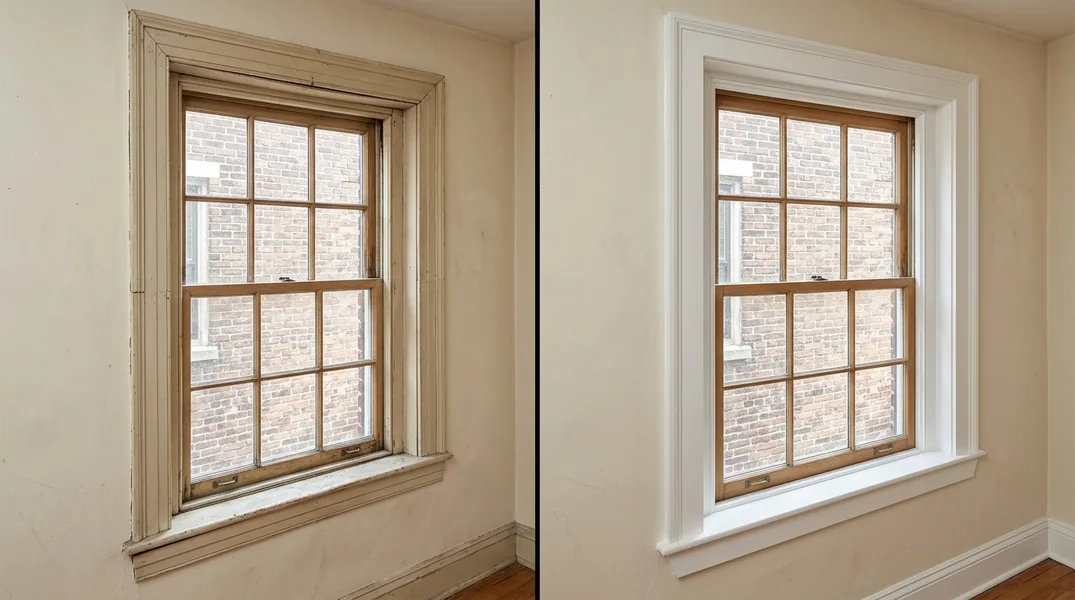
Finish carpentry is where the craft becomes visible. Interior casing, baseboards, crown molding, and wainscoting define the rooms in Philadelphia's older homes, and the original millwork is often worth matching rather than replacing. We cope joints instead of caulking corners, scribe trim to walls that are neither flat nor plumb, and maintain consistent reveals and profiles that honor the period character of the house. Custom built-ins, shelving, and cabinets fit into the compact floor plans and out-of-square openings that are common in rowhouses and twins, and they are built to the actual geometry of the space rather than ideal dimensions. Interior doors, exterior doors, crown molding, and baseboard installation all follow the same principle: careful measurement, understanding of the existing stock, and work that looks like it belongs.
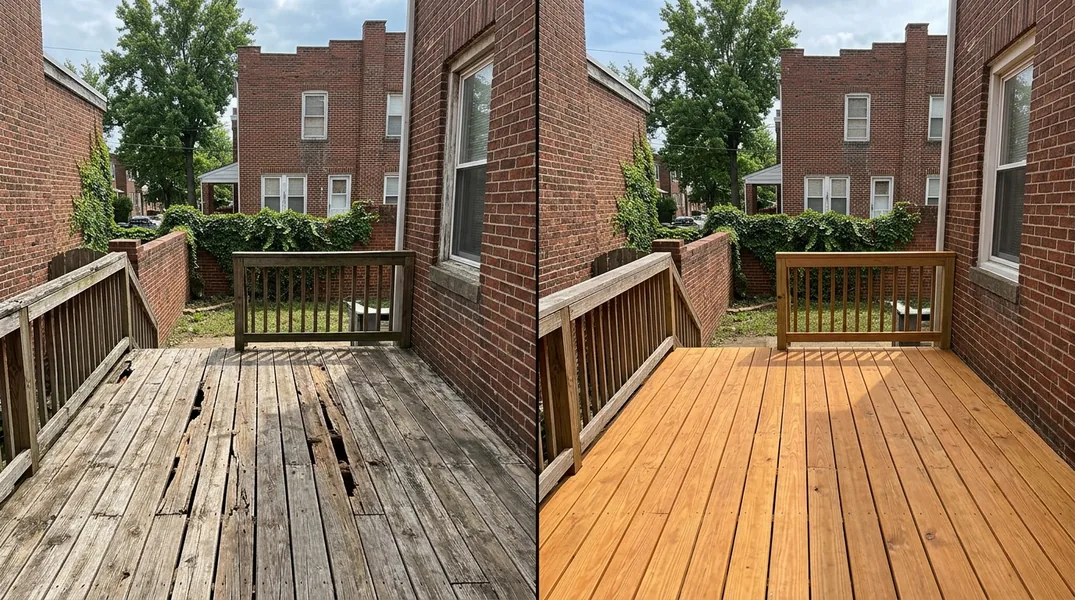
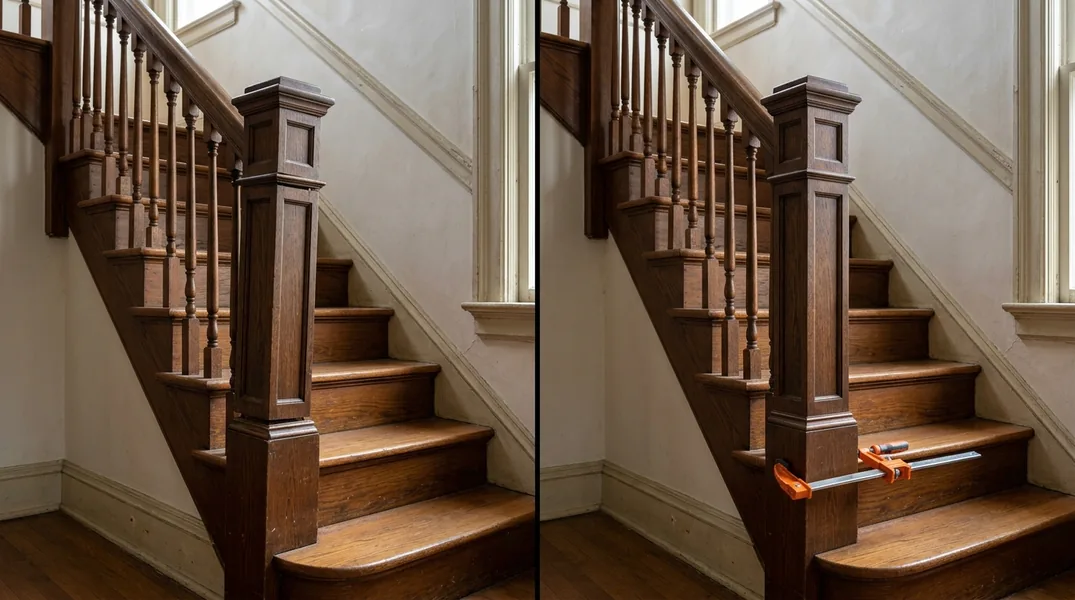
Stairs and railings, custom built-ins and shelving, and cabinet and vanity installation are high-touch work that requires attention to how the existing house is actually built, not how the plans say it should be. Bay windows, narrow stairwells, and walls that have settled create constraints that demand craftsmanship, not just labor. That is what we bring to finish work in this housing stock.
Permits, Repair-or-Replace & What We Do Not Do
Permits are commonly required for structural work such as removing or altering a load-bearing wall, replacing floor joists or beams, and installing or modifying stairs and exterior decks. Requirements vary by location and scope, and thresholds differ between jurisdictions. In most cases, work that alters the structure or safety of the building will need a permit and inspection by the local building department. We build to code and to any permits that are required, and we can help you understand what your project will need. Before starting any structural work, verify the requirements with the Philadelphia building department, as rules vary and must be confirmed with your local authority.
The repair-or-replace decision comes down to three things: how much sound section of the member remains, whether the water source or pest pressure can be closed, and what the two options will cost. We quote both when both are realistic choices, and we explain the trade-offs plainly. We are fully insured and can help document damage for an insurance claim, but we cannot promise coverage or predict what an insurer will approve. Contact us for a free estimate, and we will walk through the options with you. Requirements vary, always verify with the Philadelphia building department before starting your project.
Ready to get started? Philadelphia Carpentry serves in Philadelphia and surrounding areas. Book your free wood rot inspection today.
Get Your Free Wood Rot Inspection