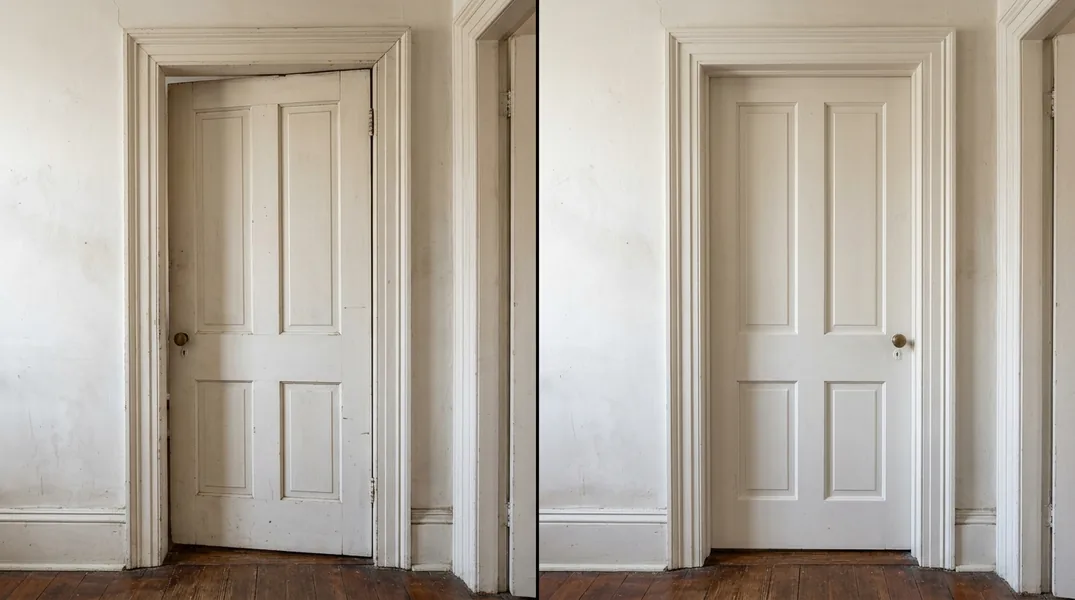
Understanding Wood Rot: The Hidden Threat to Your Home
Wood rot is one of the most common and costly problems homeowners face, yet many don't realize they have it until significant damage has already occurred. Whether you own a historic rowhouse in center city Philadelphia or a suburban home built in the 1980s, your property is at risk. Wood rot develops when moisture penetrates wood and creates the perfect environment for fungal growth. Unlike termites, which consume wood for nutrition, rot simply breaks down the structural integrity of timber from the inside out.
The challenge with wood rot is that it often hides in plain sight. By the time you notice soft spots on exterior siding or a spongy floor, the decay has usually spread deeper into the wood structure. This is why homeowners frequently ask whether they can repair rotted wood without replacing entire sections, or if full replacement is necessary. The answer depends on several factors: the extent of the damage, the location of the rot, the type of wood affected, and your budget. Understanding these variables will help you make an informed decision that protects both your home and your wallet.
How to Assess the Damage: Can This Wood Be Saved?
Before you decide to repair or replace, you need an honest assessment of what you're dealing with. Start by performing a simple visual inspection. Look for discoloration, soft or spongy areas, peeling paint, and gaps between boards. If you press a screwdriver or awl into the wood and it sinks in easily like soft butter, that's a red flag. The wood has lost its structural density. Press it into solid areas nearby for comparison. If the tool barely penetrates, that wood is still sound.
The depth and extent of rot determine repairability. Surface rot that affects only the outer inch or so of wood can often be treated and repaired. However, if rot has penetrated more than halfway through a beam, joist, or siding board, replacement is usually the safer and more cost-effective choice. For structural elements like floor joists or load-bearing beams, the stakes are even higher. A compromised joist can lead to uneven floors, ceiling sagging, or worse. This is where professional assessment becomes invaluable. The team at Philadelphia Carpentry can evaluate the damage and recommend the best path forward, whether that's targeted repair or strategic replacement.
When Repair Makes Sense: Treating Rotted Wood Without Replacing
If you've caught wood rot early, repair is often possible and significantly cheaper than replacement. Wood Rot & Dry Rot Repair in these cases typically involves removing the affected wood, treating the area with fungicide, and filling the void with specialized wood filler or epoxy. This approach works well for exterior trim, fascia boards, window frames, and non-structural siding. The key is addressing the moisture source that caused the rot in the first place. If you repair the wood but leave the leak or drainage problem unsolved, rot will return within months or years.
Homeowners appreciate repair solutions because they're faster and less disruptive than full replacement. You're not removing large sections of siding, which means less mess, fewer days of work, and lower labor costs. For a small rotted area on a decorative trim board or a localized soft spot on wooden steps, repair is the practical choice. However, repair only works if the structural integrity of the piece remains intact. If more than 30 to 40 percent of a critical member is compromised, you've crossed into replacement territory.
When Replacement Is the Right Call: Protecting Your Home's Future
Sometimes the honest answer is that repair won't cut it. If rot has spread extensively through a board, joist, or structural element, replacement is the only safe option. This is especially true for Floor Joist & Subfloor Repair projects, where compromised wood directly affects the safety and stability of your home. You cannot patch a rotted floor joist and call it fixed. The entire member needs to be replaced with pressure-treated lumber or solid hardwood that meets current building codes.
Replacing rotted wood siding is another common scenario where full replacement makes sense. If multiple boards show signs of decay, or if rot has affected the sheathing beneath the siding, you're looking at a larger project. The good news is that modern replacement siding materials are more durable and require less maintenance than the wood it replaces. You might consider fiber cement board, vinyl, or engineered wood products that resist moisture and rot. While the upfront pricing is higher than repair, the long-term value and peace of mind are worth it. You won't spend the next decade watching that section of your home slowly deteriorate.
Wood Rot Repair Cost in Philadelphia: What to Budget
Cost is often the deciding factor for homeowners weighing repair versus replacement. A simple repair job on a small area of rotted trim or fascia might run between $300 and $800, depending on the location and accessibility. If the rot is on a high gable or requires scaffolding, labor costs climb. A more extensive repair affecting multiple boards or requiring moisture remediation can range from $1,500 to $4,000. These figures assume the rot hasn't reached structural elements.
Replacement costs are naturally higher. Replacing rotted wood siding on a section of your home typically runs $2,000 to $6,000 or more, depending on the square footage and material choice. Beam Replacement & Load-Bearing Wall Removal projects are significantly more expensive, often ranging from $5,000 to $15,000 or higher because they involve structural work, permits, and sometimes temporary bracing. However, these are investments in your home's safety and longevity. When you factor in the cost of water damage, pest infestation, and structural failure down the road, replacement often proves to be the smarter financial decision. The key is getting an accurate assessment upfront. Philadelphia Carpentry offers a free estimate so you understand exactly what you're facing before committing to work.
Wood Rot & Dry Rot Repair Near Me: When to Call a Professional
While minor surface repairs might be a DIY project for experienced homeowners, most wood rot situations benefit from professional evaluation and repair. A trained carpenter can identify rot that's hidden from view, assess structural implications, and recommend solutions you might not consider. They also understand local building codes in Philadelphia and ensure any replacement work meets current standards. This is especially important if your home is in a historic district or requires permits for exterior work.
The best time to call is as soon as you suspect a problem. Early intervention saves money and prevents cascading damage. If you're seeing soft spots, discoloration, or paint failure on exterior wood, or if you notice musty odors or spongy floors indoors, don't wait. Contact Philadelphia Carpentry at (267) 477-7458 to schedule an inspection. Our team will give you an honest assessment and clear recommendations, whether repair or replacement is the right move for your situation. We serve homeowners throughout the Philadelphia area and understand the specific challenges local weather and aging homes present.
Looking for a professional carpentry contractor in Philadelphia? Philadelphia Carpentry responds fast for all your carpentry needs.
Get a Free QuoteOur services: Wood Rot & Dry Rot Repair · Termite Damage Repair · Floor Joist & Subfloor Repair