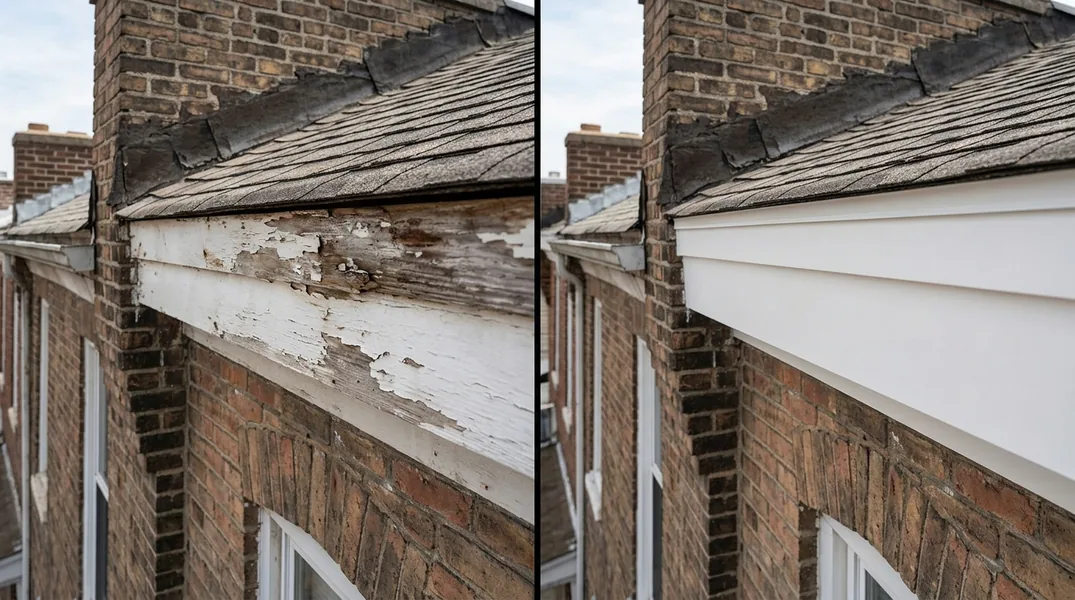
Why Historic Rowhouses in Philadelphia Demand a Different Approach
Owning a South Philly Trinity or a Society Hill Federal rowhouse is a privilege and a responsibility. These homes, many built in the 1800s and early 1900s, carry the architectural character and craftsmanship that modern construction often lacks. But that charm comes with a cost: wood maintenance and repair that differs significantly from maintaining a newer home.
The timber framing, original siding, and structural systems in historic rowhouses were built to last, but they were not built to last forever without care. Philadelphia's humid summers, freeze-thaw winters, and aging infrastructure create an environment where wood deteriorates faster than many homeowners expect. Understanding the specific challenges of your historic home is the first step toward protecting your investment and preserving the building's integrity for the next generation.
The Hidden Enemy: Wood Rot and Dry Rot in Historic Rowhouses
Wood Rot & Dry Rot Repair is one of the most common repairs needed in older rowhouses, yet it's often discovered too late. Dry rot, despite its name, thrives in damp conditions and spreads silently through structural timber. Unlike wet rot, which is obvious and localized, dry rot can travel through masonry and compromise wood that appears perfectly sound from the outside.
In a Society Hill Federal or South Philly Trinity, dry rot often starts in hidden spaces: under window sills, behind exterior brick, within floor joists, or in the sill plates where wood meets the foundation. By the time a homeowner notices soft spots or crumbling wood, the damage has often spread deeper than visible. The best defense is regular inspection and immediate action at the first sign of trouble. If you suspect rot in your historic home, getting a professional assessment early can save tens of thousands in structural repairs later.
Wood Siding Repair and Preservation for Period-Correct Rowhouses
Wood siding repair on a historic rowhouse is not simply about cosmetics. The original wood siding on many Trinity and Federal homes is load-bearing in some cases and always critical to weather protection. When boards fail, water penetrates the wall cavity, leading to rot in the framing, insulation damage, and potential structural compromise.
Many homeowners face a difficult choice: replace damaged siding with modern materials or repair and restore original wood. For historic homes in Philadelphia, especially those in historic districts, restoration is often the requirement or the preferred approach. This means sourcing period-appropriate materials, matching profiles and paint systems, and repairing rather than replacing whenever possible. A skilled carpenter can replace individual boards, repair damaged sections, and restore siding to its original appearance while maintaining the home's historic character and resale value.
Foundation Issues and Floor Joist Deterioration: The Structural Reality
Many South Philly Trinity homes and Society Hill Federals rest on foundations that have settled, cracked, or absorbed moisture for over a century. When the foundation fails to stay dry, the sill plate and floor joists directly above it absorb moisture and begin to rot. Floor Joist & Subfloor Repair is a common structural repair in homes of this age, and it's one that cannot be postponed without risk to the entire building.
Signs of joist failure include soft or bouncy floors, visible rot or insect damage in the basement, and cracked plaster or drywall on the first floor. The repair typically involves sistering new joists alongside damaged ones, replacing completely failed sections, or in some cases, installing supplemental support. This is not a DIY project. Structural repairs require proper permits, engineering calculations, and professional installation to ensure the home remains safe and code-compliant. If you're noticing floor movement or soft spots in your historic rowhouse, getting a free estimate from a qualified carpenter is the smart first step.
Termite Damage and Pest Prevention in Older Rowhouses
Termite Damage Repair is another reality for older homes in the region. Subterranean termites are active in Philadelphia and can cause significant structural damage if left unchecked. The challenge with historic rowhouses is that they often have wood-to-soil contact, multiple entry points, and hidden cavities where termites can thrive undetected.
Prevention is far more cost-effective than repair. This means maintaining proper drainage around the foundation, ensuring gutters and downspouts direct water away from the home, keeping wood mulch and debris away from the foundation, and having regular termite inspections. If termites are discovered, treatment must address both the active infestation and the structural damage already done. Depending on the extent of damage, repairs may involve replacing damaged joists, sills, or framing members. A professional pest control and carpentry team can work together to eliminate the threat and restore structural integrity.
Creating a Maintenance Plan: Honest Budget Expectations for Historic Homeowners
Owning a historic rowhouse requires accepting that maintenance costs are ongoing and sometimes substantial. Rather than viewing this as a burden, smart homeowners develop a prioritized maintenance plan and budget accordingly. Start with a professional home inspection that specifically addresses structural integrity, wood condition, moisture, and pest risk. This inspection becomes your roadmap.
Prioritize repairs in this order: first, address any active water intrusion or moisture problems; second, repair structural damage that affects safety or the building envelope; third, address cosmetic or less urgent items. When you receive pricing for repairs, understand what's included and why. A quality repair may cost more upfront but will last decades. Cheap repairs that fail within a few years are far more expensive in the long run. For a detailed assessment of your home's condition and an honest conversation about what repairs are truly needed versus what can wait, contact Philadelphia Carpentry at (267) 477-7458 to schedule a consultation.
Looking for a professional carpentry contractor in Philadelphia? Philadelphia Carpentry responds fast for all your carpentry needs.
Get a Free QuoteOur services: Wood Rot & Dry Rot Repair · Termite Damage Repair · Floor Joist & Subfloor Repair