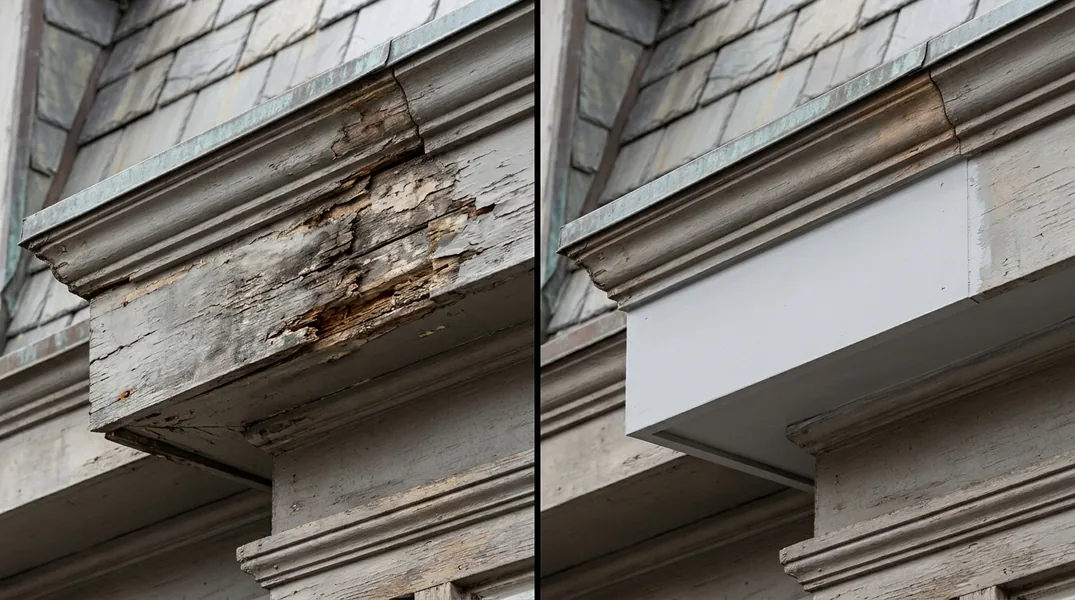
Is Wood Rot Covered by Homeowners Insurance?
One of the most common questions homeowners in Philadelphia ask is whether their homeowners insurance will cover wood rot damage. The short answer is: it depends. Most standard homeowners insurance policies do not cover wood rot that develops gradually over time due to moisture, poor ventilation, or lack of maintenance. Insurance companies typically classify this type of damage as a maintenance issue rather than a covered loss.
However, there are important exceptions to this rule. If wood rot develops as a direct result of a covered peril, your insurance may step in to help with repair costs. For example, if a pipe bursts inside your wall and causes wood rot to develop in the surrounding framing, that damage might be covered because the initial cause (the burst pipe) is a covered event. Similarly, if a roof leak caused by a sudden storm leads to wood rot in your attic framing, you may have coverage for the resulting damage. The key is understanding what your specific policy covers and whether the root cause of the rot qualifies.
Storm Damage Insurance Claims: What Philadelphia Homeowners Need to Know
Storm damage is treated very differently from gradual wood rot in the insurance world. When a severe storm hits Philadelphia, homeowners often experience damage to roofs, siding, windows, and structural components. If a storm causes a roof to fail, allowing water to enter your home and damage wood framing or flooring, this is typically a covered loss under most homeowners policies. Wind damage, hail damage, and damage from fallen trees are generally considered covered perils, making storm damage insurance claims much more straightforward than wood rot claims.
When filing a storm damage insurance claim, timing is critical. You should document the damage with photographs and video as soon as it is safe to do so, and contact your insurance company promptly. Most policies require you to file a claim within a specific timeframe, often 30 to 90 days after the loss occurs. Keep detailed records of all communications with your insurer, including claim numbers, adjuster names, and dates of inspections. If the damage is extensive, your insurer will likely send an adjuster to assess the situation and determine the scope of covered repairs.
The Difference Between Covered Storm Damage and Excluded Maintenance Issues
Understanding the distinction between sudden storm damage and gradual deterioration is essential for managing your homeowners insurance claim effectively. A sudden storm that tears off roof shingles or breaks a window is covered. However, if that same storm simply accelerates existing wood rot that was already developing due to poor maintenance, your coverage becomes murky. Insurance adjusters are trained to identify the root cause of damage, and they will often deny claims if they determine that poor maintenance or gradual wear and tear contributed significantly to the loss.
This is why it is so important to maintain your home properly. Regular roof inspections, gutter cleaning, proper grading around your foundation, and prompt repair of any water intrusion issues can prevent wood rot from developing in the first place. If wood rot does occur, addressing it quickly through professional Wood Rot & Dry Rot Repair services will prevent it from spreading and causing more extensive damage. Many homeowners find that investing in preventive maintenance costs far less than dealing with the aftermath of a major storm or water damage event.
When to File a Wood Rot Insurance Claim and When to Pay Out of Pocket
Deciding whether to pursue an insurance claim for wood rot damage requires careful consideration of your policy, your deductible, and the extent of the damage. If the wood rot is clearly the result of a covered peril, such as a roof leak caused by a sudden storm, you should absolutely document the damage and file a claim. However, if the rot is the result of gradual moisture accumulation or poor maintenance, your insurer will likely deny the claim, and you may end up paying the claim filing fee and deductible for nothing.
Before filing a claim, consider getting a professional assessment from a qualified carpenter or structural contractor. Philadelphia Carpentry can provide a detailed evaluation of your wood rot damage and help you understand whether the damage resulted from a sudden, covered event or from gradual deterioration. This information will be invaluable when deciding whether to file a claim. If you do decide to move forward with a claim, having a professional report documenting the cause and extent of damage will strengthen your position with the insurance company. Contact us at (267) 477-7458 to schedule a free estimate and get expert guidance on your specific situation.
Wood Rot & Dry Rot Repair Cost in Philadelphia: What to Budget
The cost of repairing wood rot varies significantly depending on the extent of the damage, the location of the affected wood, and the type of repair needed. Minor surface rot in trim or siding might cost a few hundred dollars, while extensive structural damage affecting floor joists or load-bearing beams can run into the thousands. Many homeowners are surprised to learn that wood rot often extends deeper than it appears on the surface, requiring more extensive repairs than initially expected.
If your insurance claim is approved, your policy will typically cover the repair costs up to your coverage limits, minus your deductible. If you are paying out of pocket, it is worth getting multiple quotes from reputable contractors. Floor Joist & Subfloor Repair and Beam Replacement & Load-Bearing Wall Removal are among the more costly repairs because they involve structural components that are critical to your home's integrity. Philadelphia Carpentry offers competitive pricing and transparent estimates so you know exactly what to expect before work begins.
Next Steps: Get Professional Help with Your Wood Rot and Insurance Questions
If you suspect wood rot in your home or have recently experienced storm damage, the best course of action is to have the damage professionally evaluated. A qualified contractor can determine whether the damage is covered by your insurance, document the findings for your claim, and provide you with an accurate repair estimate. Waiting too long to address wood rot only allows the problem to worsen, potentially leading to more extensive and expensive repairs down the road.
Philadelphia Carpentry has helped countless homeowners in the Philadelphia area navigate wood rot issues and insurance claims. Our experienced team understands the nuances of insurance coverage and can work with you to ensure your claim is handled properly. Whether you need immediate repairs or just want to understand your options, we are here to help. Call us today at (267) 477-7458 or visit our website to request a free estimate. Do not let wood rot compromise the safety and value of your home.
Looking for a professional carpentry contractor in Philadelphia? Philadelphia Carpentry responds fast for all your carpentry needs.
Get a Free QuoteOur services: Wood Rot & Dry Rot Repair · Termite Damage Repair · Floor Joist & Subfloor Repair